
01
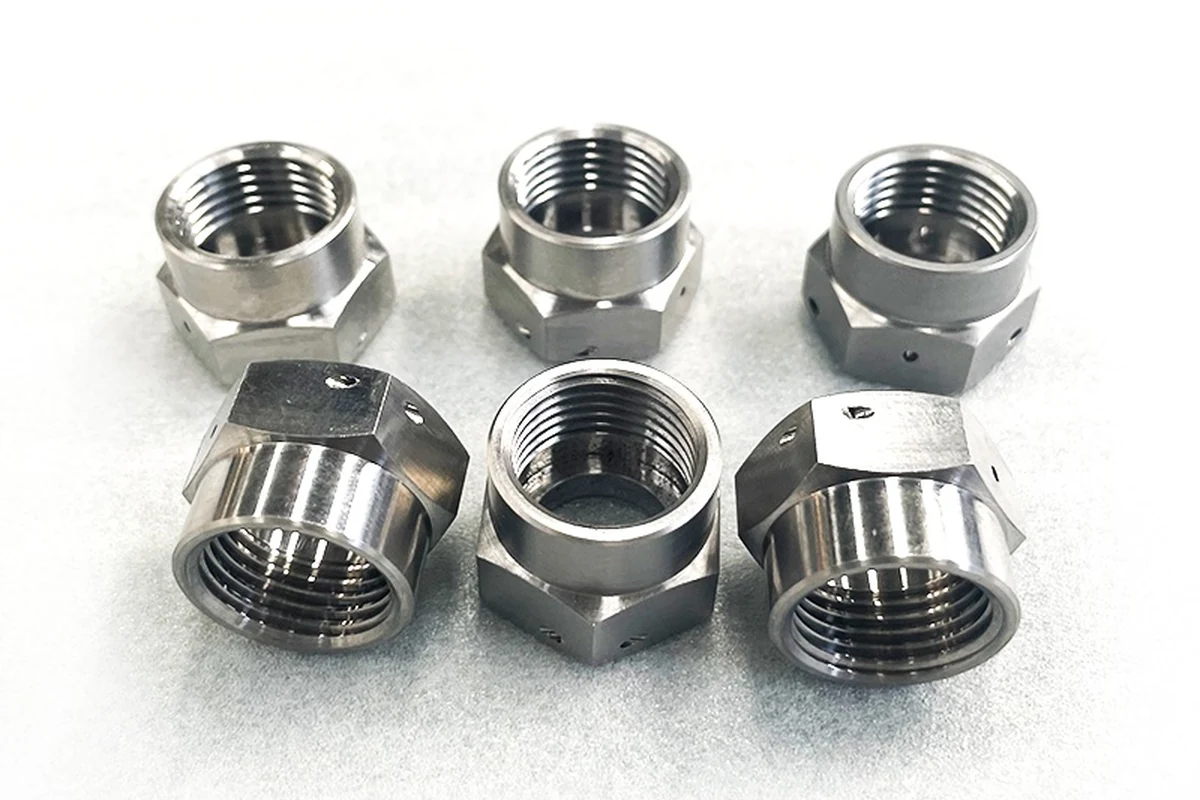
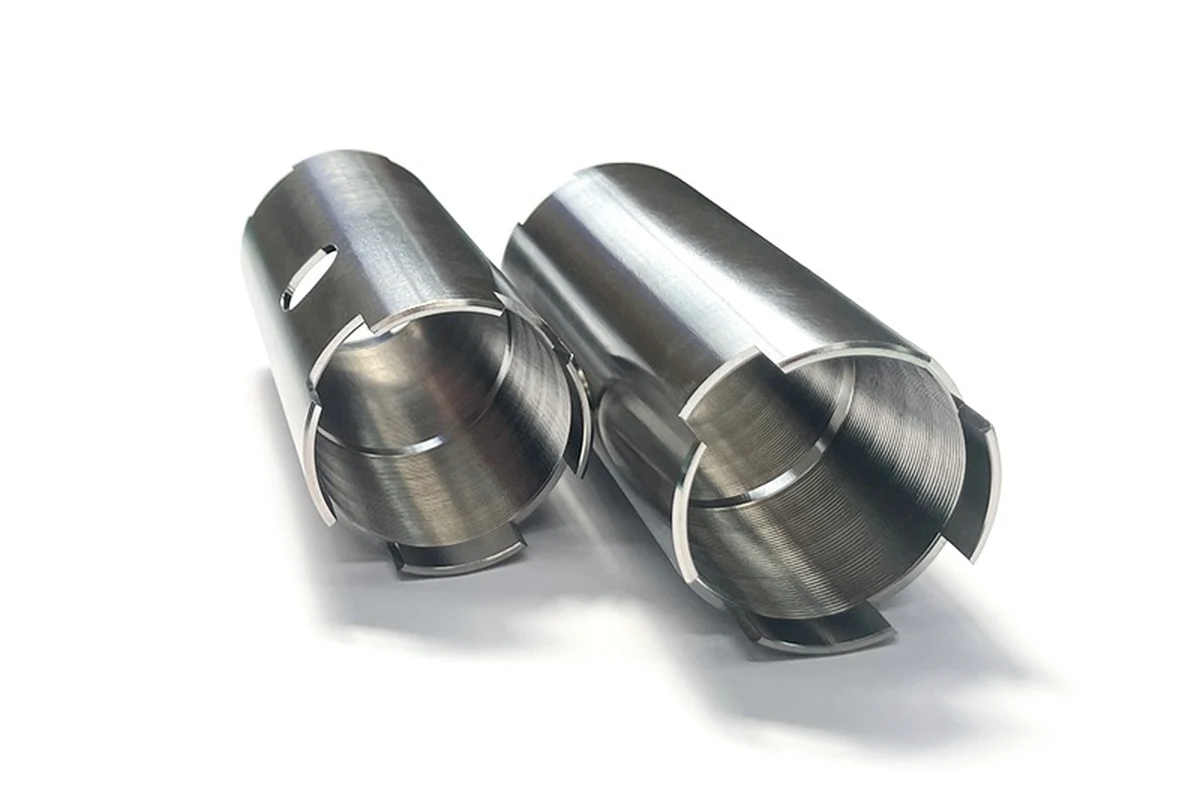
Turned components
Bushings, spacers, pins, collars, sleeves and threaded adapters.
Review focus: Concentricity, thread definition, bore finish, tool access and cut-off marks.
Representative parts & supplier evidence
Explore the titanium CNC part families we can source around, the features that change machining difficulty and the proof we ask potential Chinese suppliers to provide.
Representative sourcing scope
These real product photographs demonstrate relevant part categories, not Ccunntr-owned inventory. Final feasibility, process route and inspection scope still require a drawing review.
Bushings, spacers, pins, collars, sleeves and threaded adapters.
Review focus: Concentricity, thread definition, bore finish, tool access and cut-off marks.
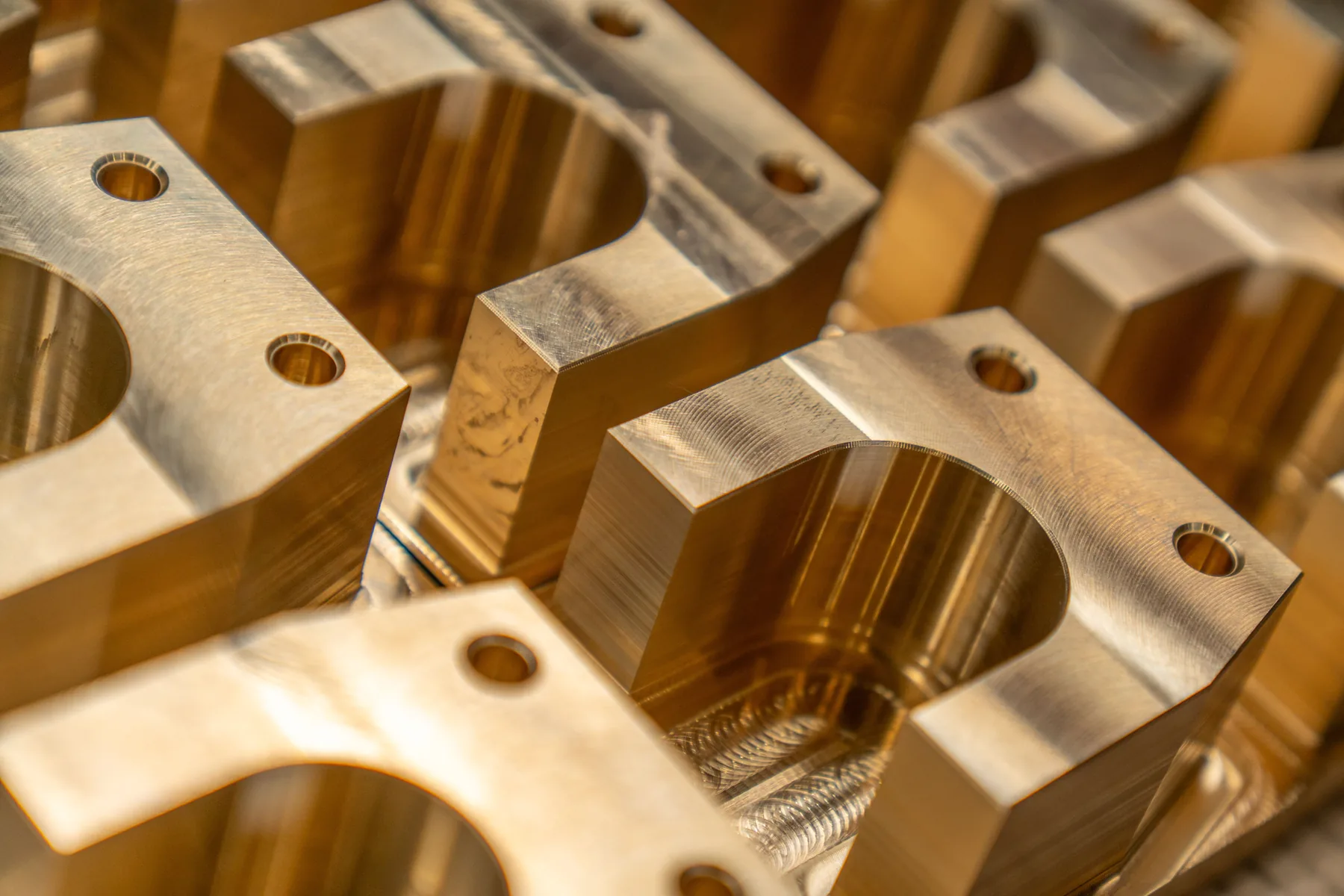
Brackets, clamps, plates, mounts, pockets and brand-specific fittings.
Review focus: Datums, corner radii, pocket depth, workholding, deburring and inspection access.
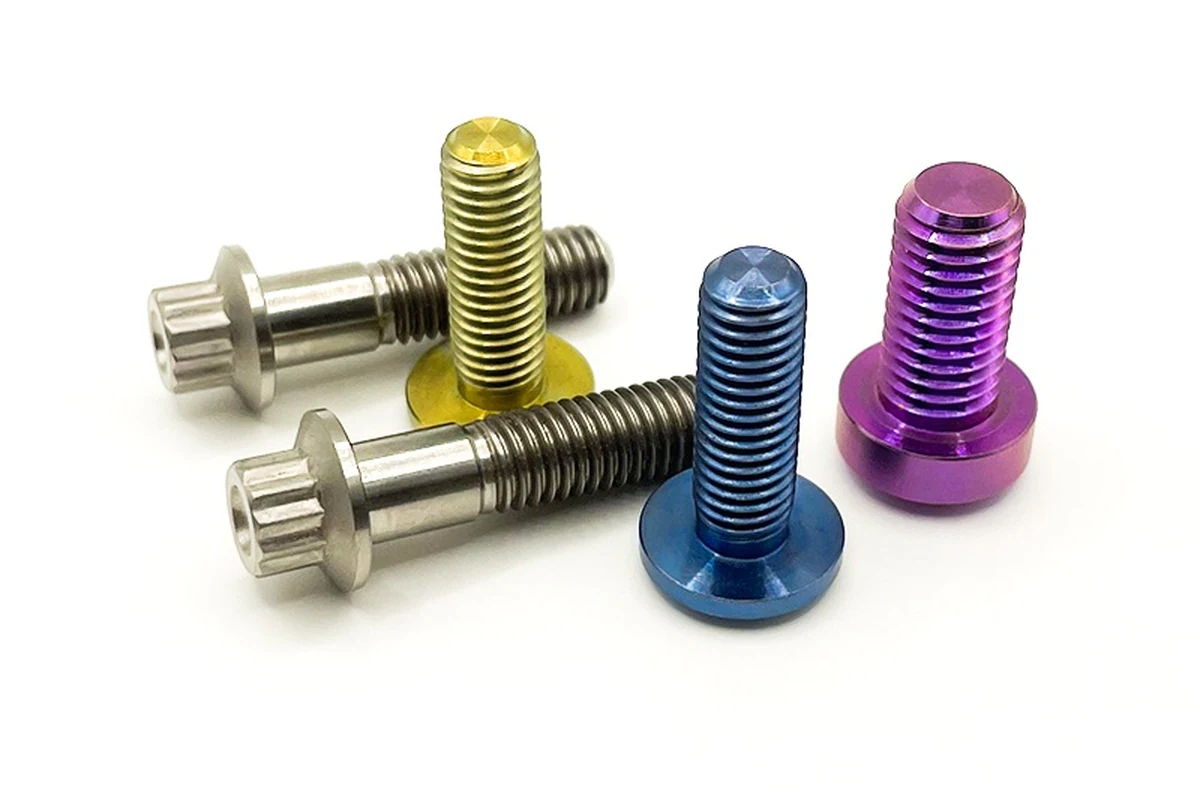
Fasteners, clips, end caps, handles, scales and cosmetic product details.
Review focus: Visible faces, edge breaks, texture, colour consistency, marking and packaging.
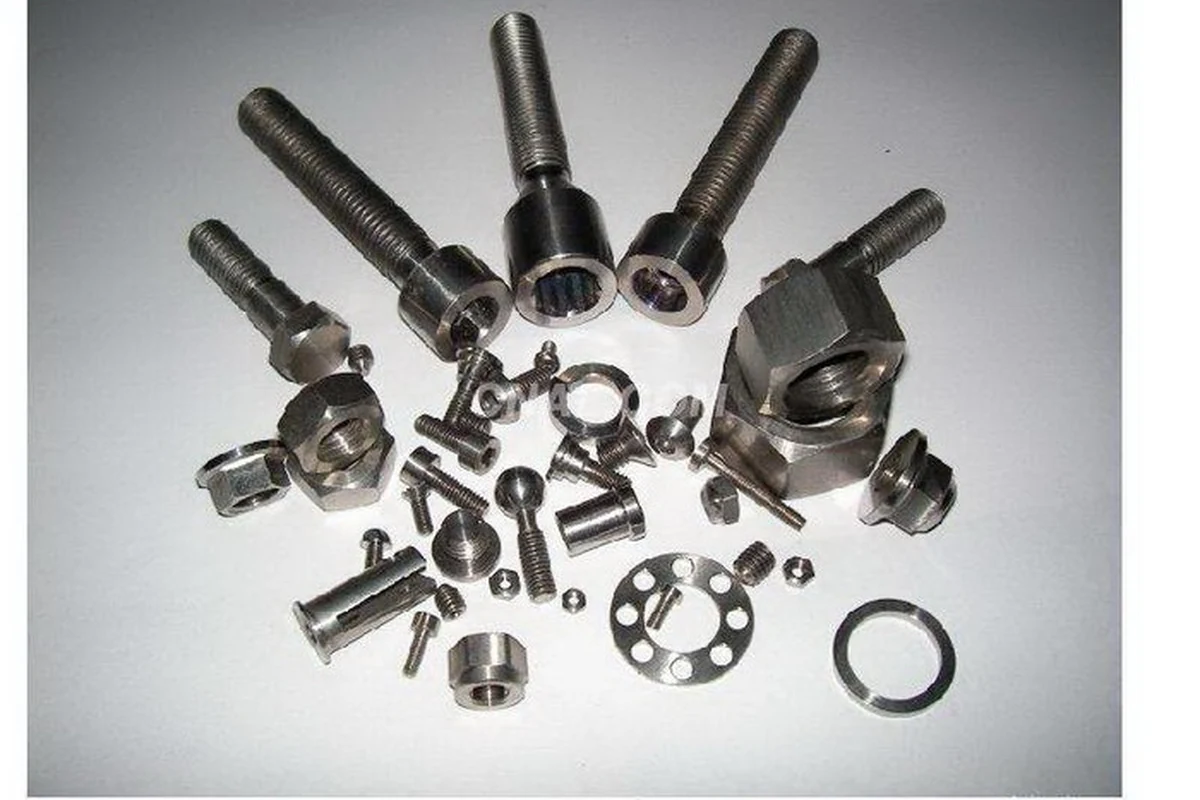
Thin-wall housings, deep pockets, multi-face features and contoured prototypes.
Review focus: Distortion risk, tool reach, inspection method, process sequence and sample plan.
Titanium grades & feedstock
The sourcing scope below covers Chinese TA and TC grades, ASTM grades and specialty titanium alloys. Availability for a specific CNC part still depends on product form, condition, certificate requirements and drawing review.
Ccunntr can coordinate supplier checks around the grades below; it does not treat similar-looking grade names as automatically interchangeable.
Note on the photographs: alloy grade cannot be identified from a photograph. Each image below is a licensed visual reference of a titanium material, part or application, not proof of a grade. Grade must be verified against the governing standard, the MTR / material certificate and lot traceability.
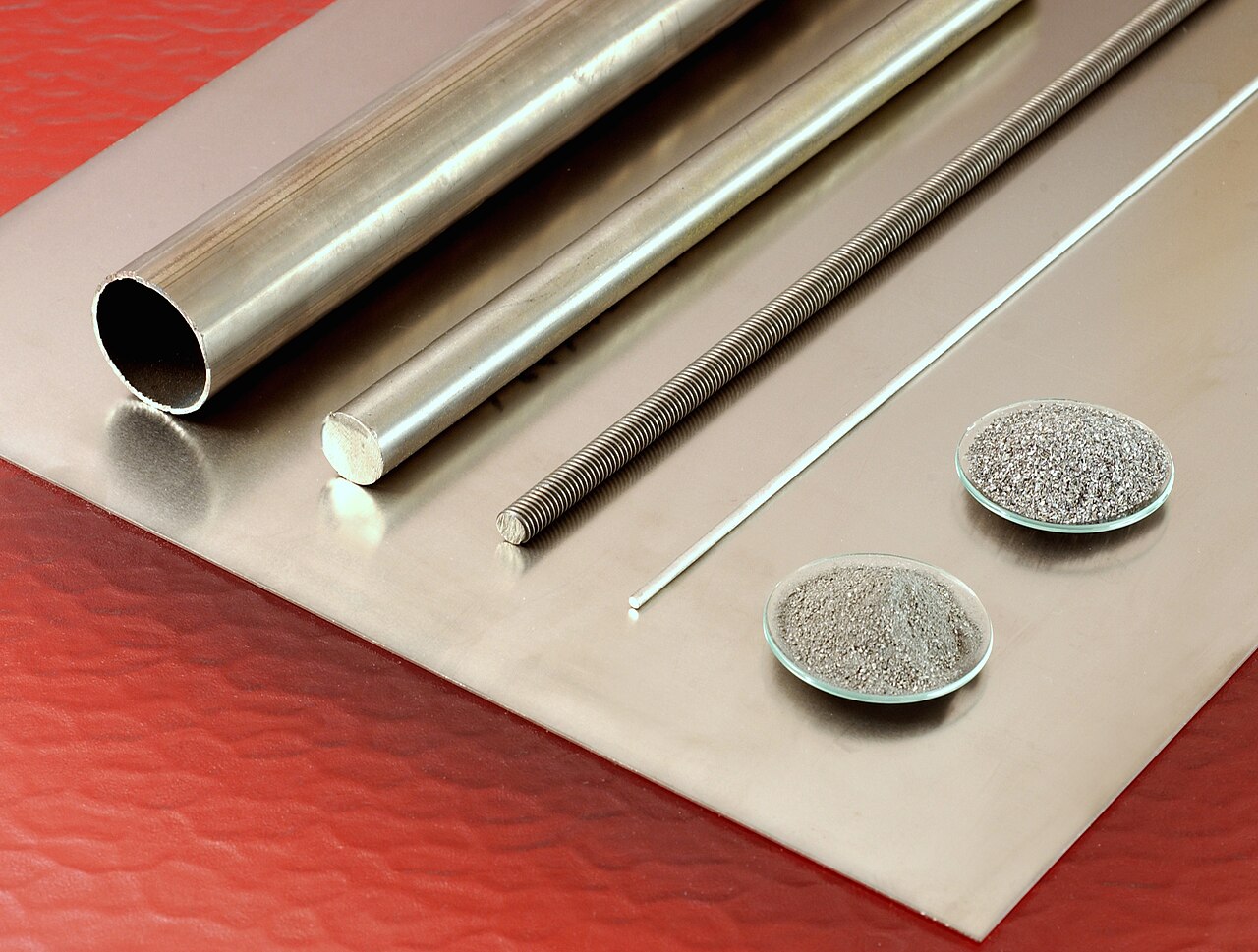
TA1 · TA2 · TA3 · Gr1 · Gr2 · Gr3
Unalloyed titanium graded mainly by oxygen and iron content. Lower grades favour formability and corrosion resistance; higher grades add strength for plate, tube, fittings and general machined parts.
Buyer verification: Confirm the governing standard (GB/T 3620.1, ASTM B265 / B348 or equivalent), chemistry limits, product form and delivery condition.
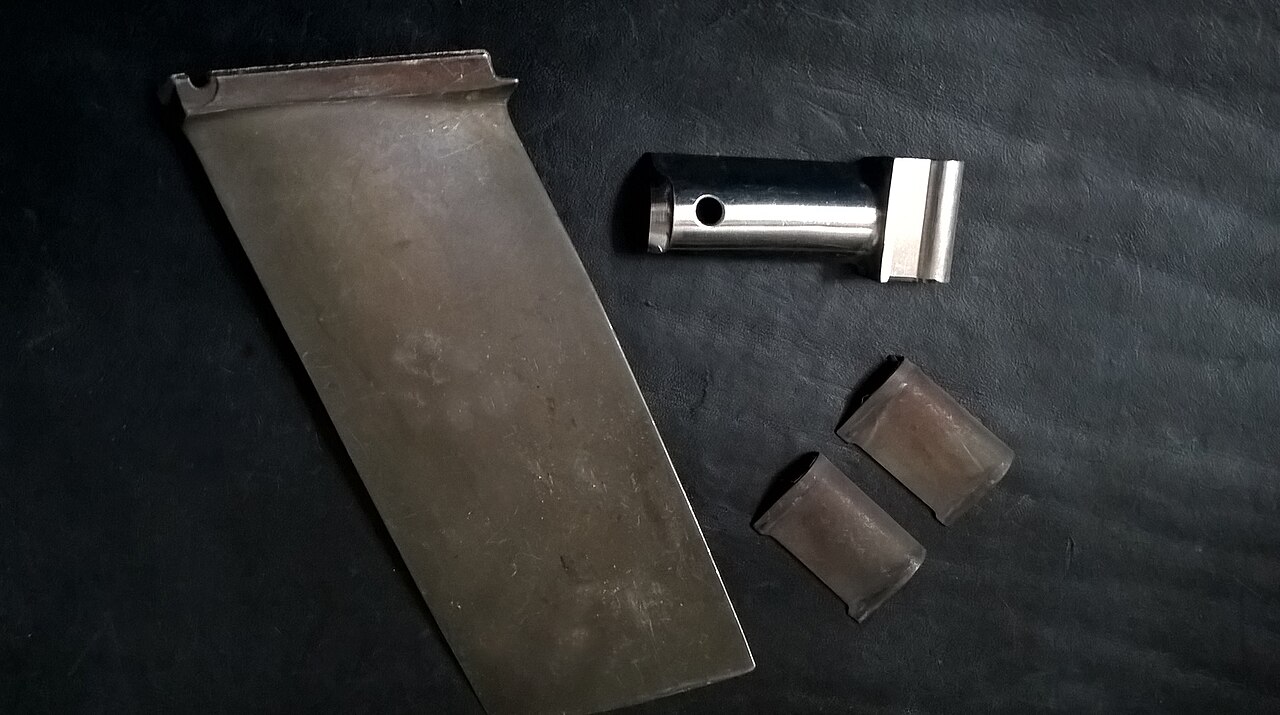
TC4 · Ti-6Al-4V · ASTM Grade 5
The most widely specified titanium alloy, balancing strength, weight and machinability. Common in aerospace hardware, brackets, fasteners and precision CNC components.
Buyer verification: Confirm heat-treatment condition, microstructure requirement, MTR / material certificate and lot traceability to the bar or plate heat.
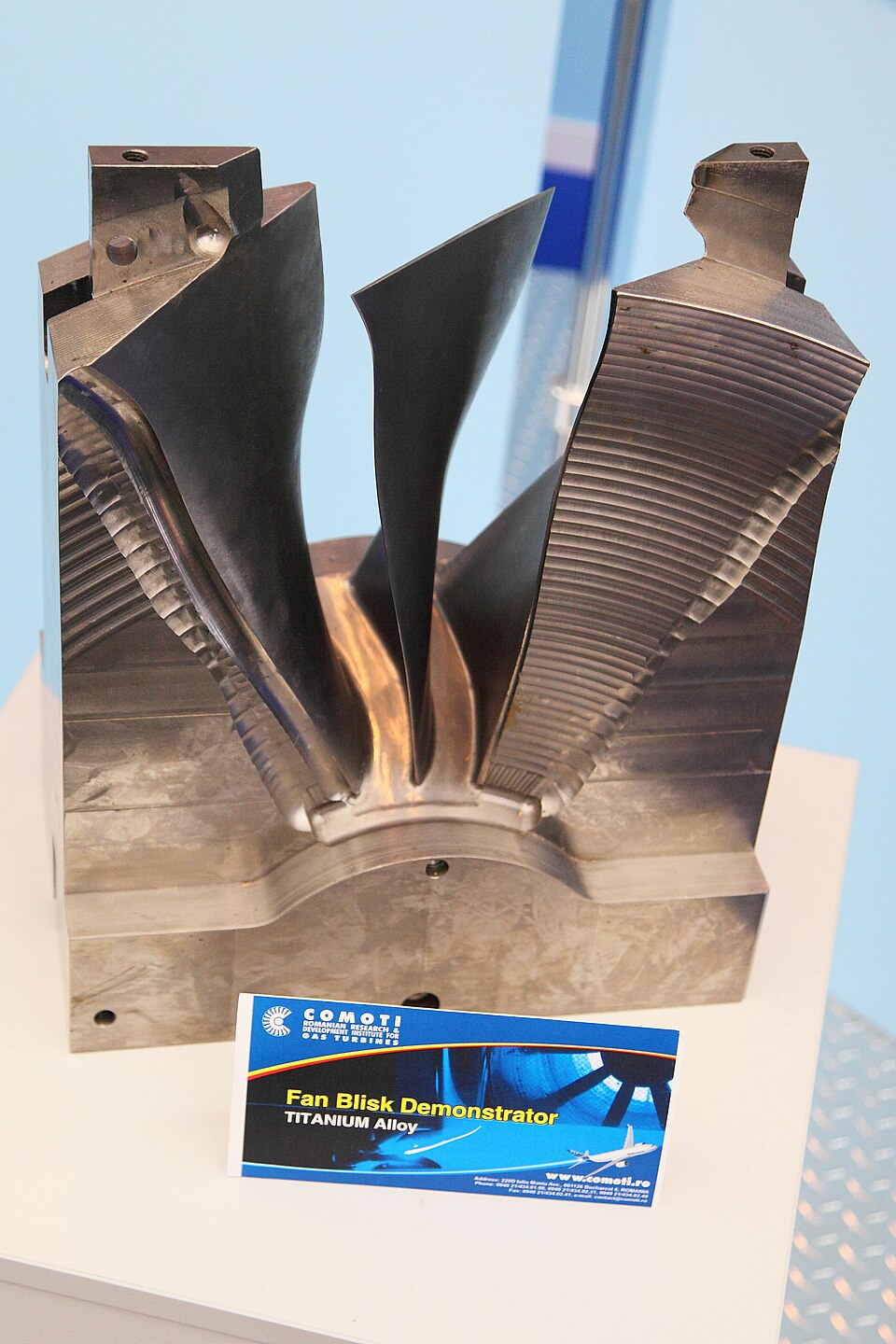
TC6 · TC11 · TC18
Chinese alpha-beta alloys used for forgings and elevated-temperature or high-strength structural parts such as compressor and airframe components. They have no exact single ASTM equivalent.
Buyer verification: Confirm the exact Chinese standard and condition; do not substitute an ASTM grade by name alone without written buyer approval.
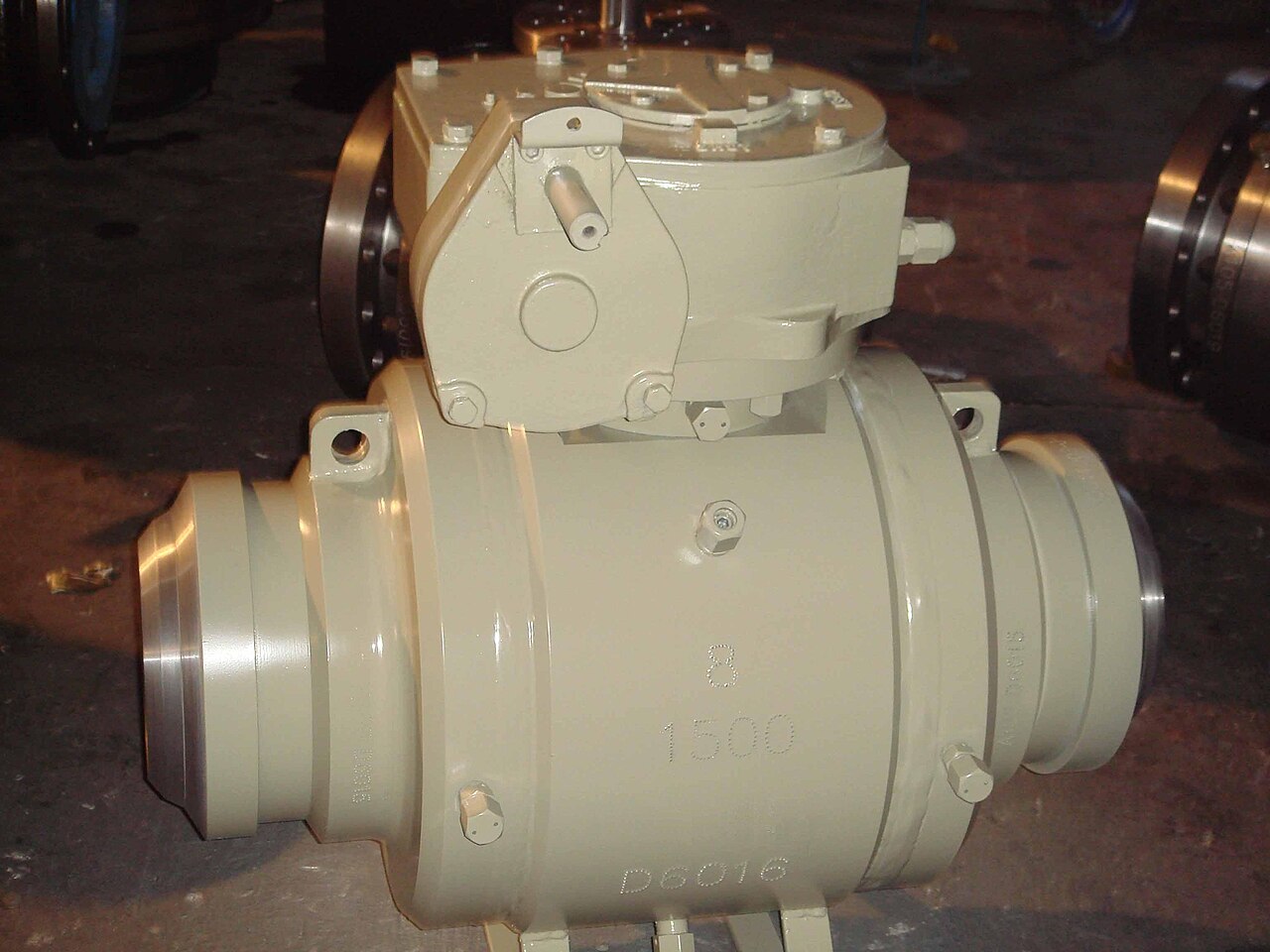
Gr7 · Gr9 · Gr12
Gr7 (palladium) and Gr12 (Mo–Ni) improve resistance in reducing or crevice-corrosion service; Gr9 (Ti-3Al-2.5V) adds strength for tube and lightweight structures.
Buyer verification: Match the grade to the plate, bar, tube or wire specification on the drawing and confirm Pd / Mo / Ni content on the certificate.
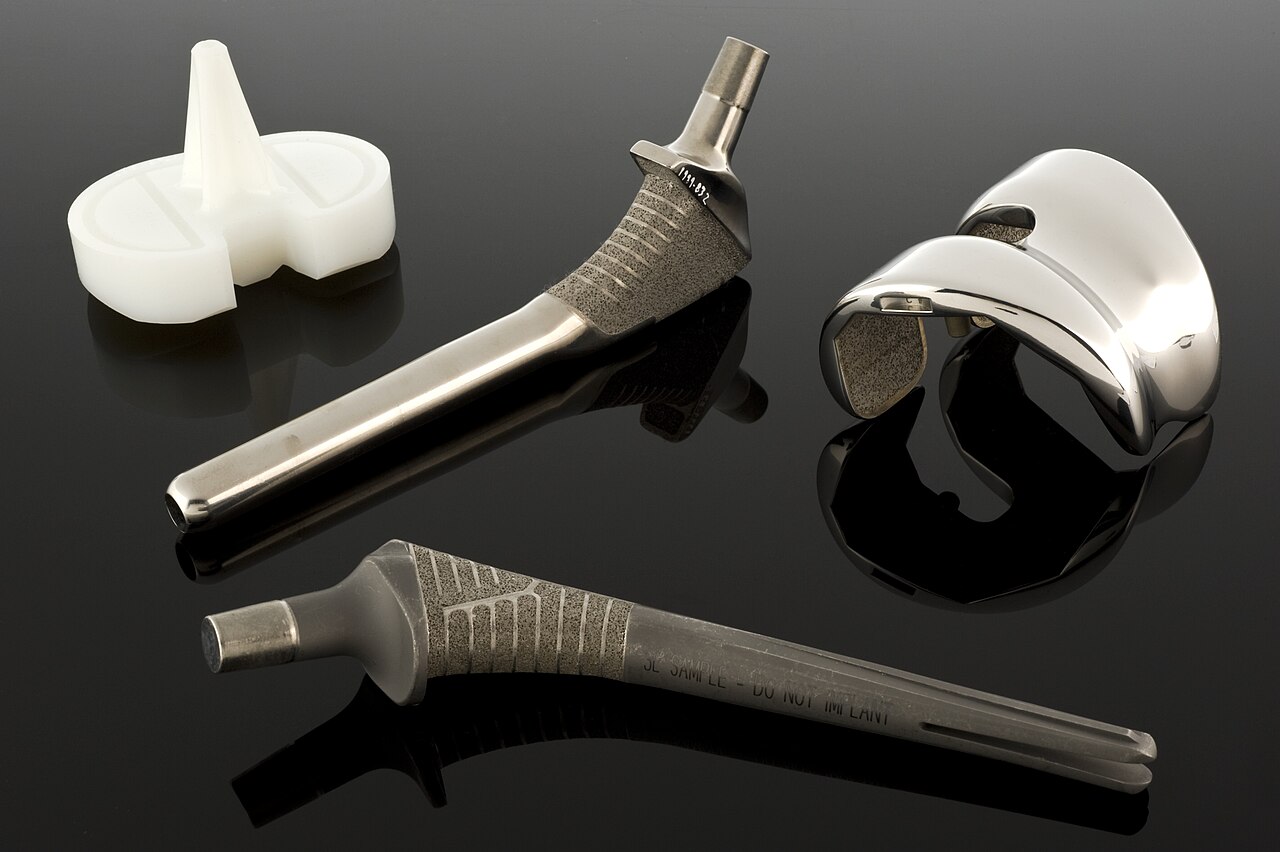
Ti-6Al-4V ELI · Ti-6Al-7Nb · Ti-13Nb-13Zr
Extra-low-interstitial and vanadium-free alloys developed for implant and medical-device use, where fracture toughness and biocompatibility are controlled by tighter chemistry.
Buyer verification: Medical use requires project-specific material (e.g. ASTM F136 / F1295), process and regulatory qualification by the responsible manufacturer.
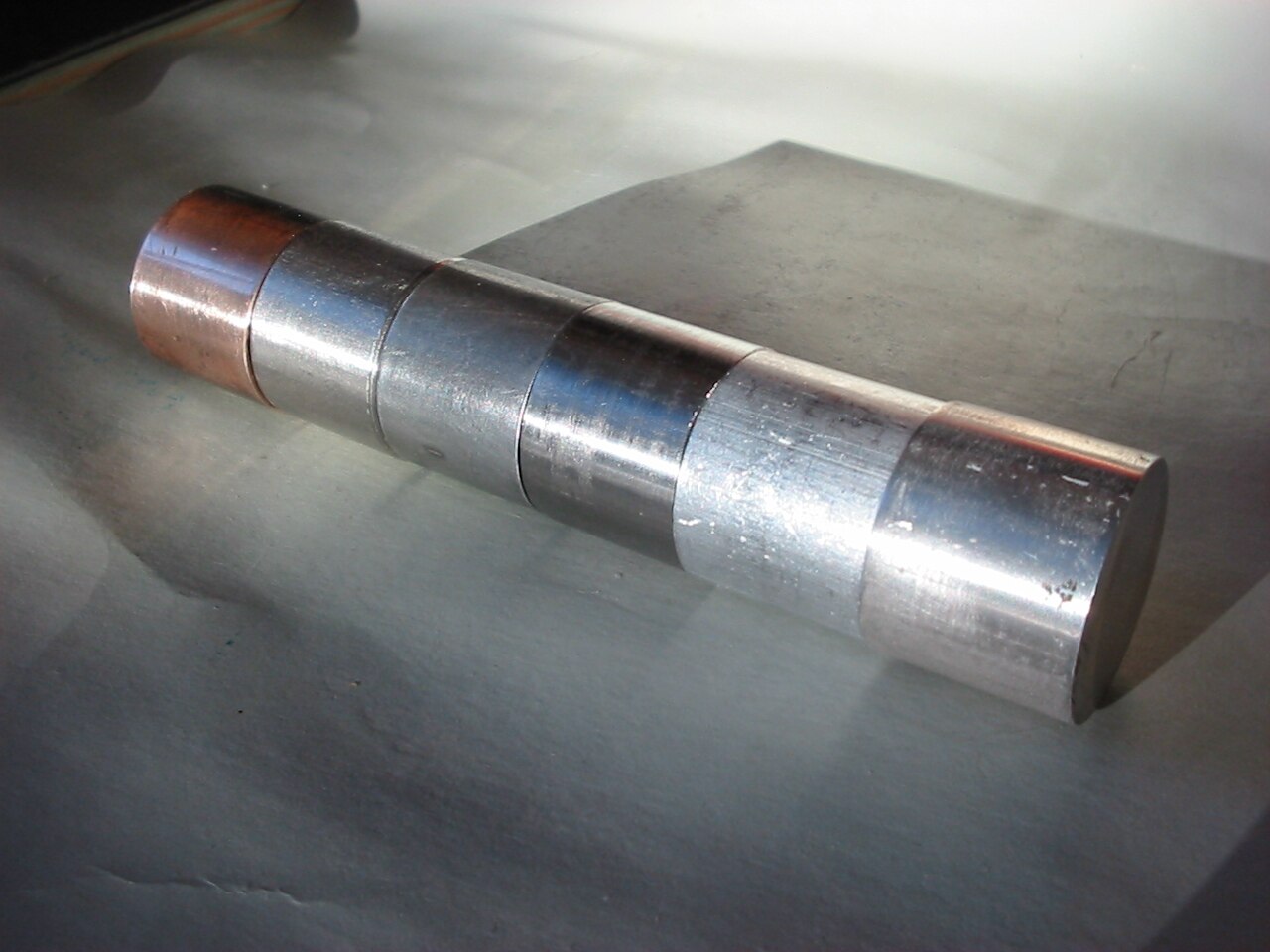
Ti-15-3 (partner listing: Ti1533)
Ti-15V-3Cr-3Sn-3Al is a cold-formable, age-hardenable beta alloy, typically supplied as strip, sheet or wire for springs, clips and formed parts.
Buyer verification: Confirm the full designation, solution-treated or aged condition and the required mechanical-property standard (e.g. AMS 4914).
Product forms before machining
Adjacent special metals · case-by-case only
Titanium remains Ccunntr's primary focus. Nickel, zirconium, tungsten, molybdenum, tantalum and niobium may be routed case-by-case, only after confirming the alloy, product form and responsible processing site. This is not a claim of in-house or blanket capability.
Where difficulty changes
Geometry, finish and acceptance criteria change the supplier fit. These are the questions we bring forward before comparing quotations.
Where can the part move during machining or finishing?
Evidence: Proposed machining sequence, workholding approach and agreed inspection points.
Can the specified radius, depth and surface be reached repeatably?
Evidence: DFM response, tool-access limits and any drawing changes requiring buyer approval.
Which faces are visible, and how will appearance be judged?
Evidence: Marked cosmetic faces, finish reference, handling plan and approved sample photos.
Which fit, gauge or assembly condition controls acceptance?
Evidence: Thread specification, gauge plan and checks tied to the mating component.
What must remain unchanged after the first sample is approved?
Evidence: Material record, critical dimensions, finish reference and repeat inspection format.
What buyers should be able to see
The photographs below are licensed general manufacturing references. They are not Ccunntr facilities, partner-supplier equipment or customer projects.

Machining reference
We ask each candidate supplier to respond to the same geometry, material, quantity and inspection brief.

Inspection reference
Critical dimensions, material records, cosmetic references and report format should be agreed before production.

RFQ reference
Price, setup, exclusions and timing only become useful when every supplier quotes the same defined requirement.
Network advantage
Ccunntr does not present a fixed factory capability as its own. We identify and compare potential suppliers for the specific part, then record what is confirmed, what is supported by evidence and what remains open.
The legal supplier identity and the site responsible for machining
Relevant titanium work for the part geometry, volume and inspection need
Disclosed subcontracting for heat treatment, finishing, testing or special processes
A quotation tied to the same drawing revision, quantity and acceptance criteria
A sample plan with material documents and dimensional evidence defined in advance
Clear ownership of open questions, corrective actions and shipment handover
Real partner-supplier photographs show relevant categories, not Ccunntr-owned stock.
Material, tolerance, process and inspection evidence must be confirmed for each RFQ.
Manufacturing is performed by the supplier the buyer selects, not by Ccunntr.
Share your titanium requirements, quantities and timeline. We will review your project and confirm the next steps.